

India can play key role in ending Iran–Israel conflict, says UN rights office
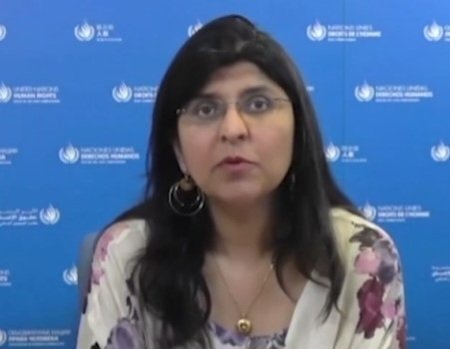
Human Rights spokesperson Ravina Shamdasani
The United Nations Human Rights Office has warned that the escalating conflict between Iran and Israel could trigger severe humanitarian and economic consequences, urging influential countries including India to step up diplomatic efforts to help secure an immediate ceasefire.

Speaking to IANS, UN Human Rights spokesperson Ravina Shamdasani said the organisation had warned about the possibility of a confrontation months before hostilities began. “We have been warning about this for several months. In fact, just the week before the war began, our monitoring showed there was a heightened risk of conflict and hostilities,” she said.
The UN Human Rights Office said the conflict has expanded beyond initial attacks and now involves multiple actors across the region. Shamdasani noted that the escalation followed attacks involving Israel, Iran and the United States, triggering retaliatory strikes and widening hostilities affecting neighbouring countries.

“This is an unfolding catastrophe before our very eyes, and it was entirely avoidable,” she said.
The UN said it is closely monitoring developments in several countries including Iran, Lebanon and Israel, while also assessing wider global impacts such as rising fuel prices, disruptions to humanitarian aid and economic stress affecting migrant workers in Gulf nations.
Shamdasani said countries with global influence — including India — could play a constructive role in de-escalating the crisis. “India, along with other influential countries, can recommit to the UN Charter and insist on bringing this conflict to an end,” she said, adding that world leaders must push for dialogue, negotiations and respect for international law to prevent a wider regional war.

The UN also expressed deep concern over reports of a strike on a girls’ school in Minab that reportedly killed a large number of students. According to the UN Human Rights Office, more than 100 students — around 160 girls — were reported killed during school hours, raising serious concerns over possible violations of international humanitarian law.
“This is absolutely horrific,” Shamdasani said, calling for a prompt investigation and full accountability. “This is potentially a grave violation of international law. The victims’ families deserve transparency about what happened.”
She emphasised that international humanitarian law requires the protection of civilians and critical infrastructure during armed conflicts. “Even wars have laws. Parties to a conflict must do their utmost to ensure the protection of civilians and civilian infrastructure,” she said, warning that attacks on schools, hospitals and other civilian facilities could amount to war crimes if deliberately targeted.
The UN’s message to governments involved in the conflict, she said, is clear: “There needs to be a ceasefire. Everyone should be working toward this goal. The current cycle of attacks and counterattacks is harming civilians and cannot serve long-term security objectives.”
The UN Human Rights Office added that sustained diplomatic engagement and international pressure would be crucial to securing a ceasefire as the conflict continues to intensify across the region.
 ----------------------------------------------------------------------------------------------