
From paint to flights, Iran war lifts costs, darkens outlooks
Companies from consumer goods to travel and mining warned on Wednesday that the U.S.-Israeli war with Iran is driving up costs, disrupting supply chains and hurting consumer confidence, clouding financial outlooks.
The cautious tone in the earnings season highlights the pressure on businesses already hit by U.S. tariffs, higher input costs and weak demand before the conflict erupted in late February.

While some companies stuck to their full-year forecasts, executives flagged rising transport and raw material costs, particularly linked to disruption in the Strait of Hormuz, and sharply reduced visibility.
A major paint maker said the conflict was pushing up supply costs, though higher pricing and cost savings helped it beat market expectations.

“Our raw material basket is going to go up by something like the high teens (percentage), given the disruption of the Strait of Hormuz,” a CEO told Reuters, saying the full impact would be felt over the next two quarters.
Its branded products used on cargo ships and Formula 1 cars give it greater scope to pass on price increases than more commodity chemical-exposed peers.
HIGHER PRICES, LOWER FORECASTS
Investors and economists are watching to see whether companies can absorb the shock, or if prolonged uncertainty over energy, transport and geopolitics forces more firms to raise prices further or rein in forecasts.
Much hinges on how long the conflict lasts and whether the strait — a conduit for about a fifth of global oil and LNG flows — fully reopens, easing supply constraints.
“Sustained high energy prices would materially increase risks. First-quarter results capture only one month of Iran-related impacts, making forward guidance and management commentary especially important,” said a chief investment officer.
U.S. stocks rose and oil prices jumped on Wednesday after Iran’s seizures of container ships in the strait.
“The longer this war lasts, the more we’ll see these companies with less pricing power reduce guidance,” another investment officer said.
“And the more we’ll see companies that do have pricing power pass on the price increase to consumers and businesses, resulting in potentially higher inflation.”

SHIPMENTS OF BABY FORMULA DISRUPTED
According to a Reuters review of company statements since the start of the war, 21 companies have withdrawn or cut financial guidance, 32 have signaled price hikes and 31 have warned of a financial hit from the conflict.
An industrial technology firm said it will have to pass on higher freight and oil-based material costs such as resin to customers if the war is prolonged.
A European food group highlighted how pressures are filtering through supply chains, reporting first-quarter sales growth that topped expectations but slowed sharply from late last year, citing war-related disruption to baby formula shipments alongside a recall in Europe.
An elevator manufacturer said its new equipment sales were hurt by war-related shipment delays and tariffs.
A consumer goods company warned of lower first-half margins, citing high oil prices, while a tobacco firm said it was factoring in a small impact from the Middle East conflict, although it did not expect a prolonged effect.
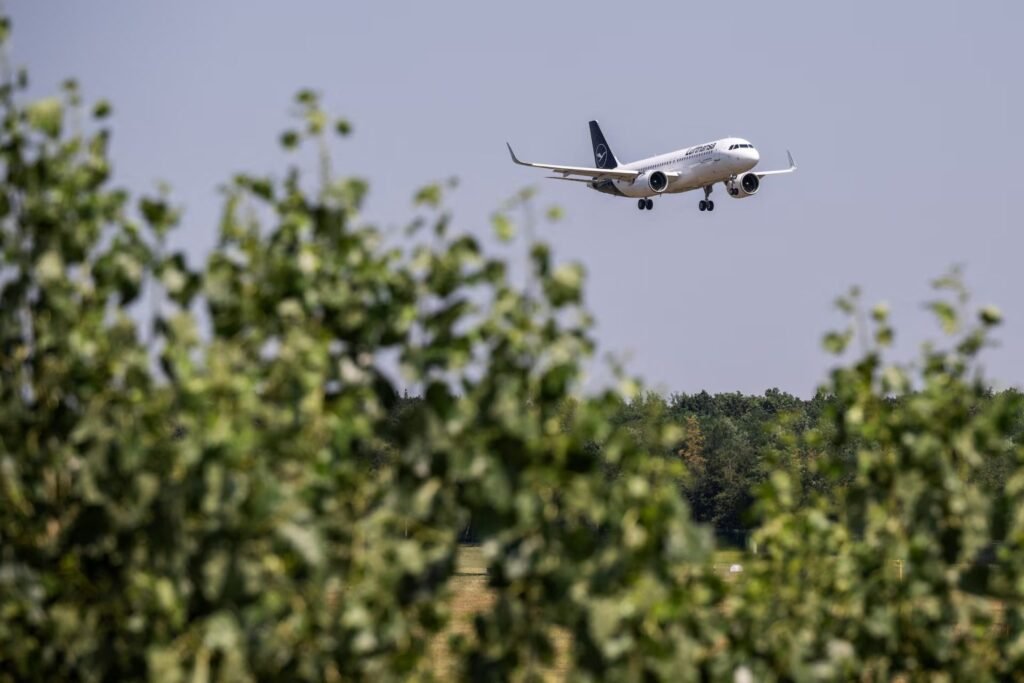
Travel companies have been among the hardest hit, as higher jet fuel prices force airlines and tour operators to hike fares, add fuel surcharges or ground aircraft, while geopolitical tension dents consumer confidence.
A major tourism group cut its full-year underlying operating profit forecast and suspended its revenue guidance.
“The ongoing conflict in the Middle East and the uncertainty surrounding its duration continue to limit near-term visibility and drive consumer caution,” the group said in a statement.
A U.S. airline also flagged pressure on demand, forecasting second-quarter and full-year profits below estimates.
Despite airlines’ challenges, a leading aircraft manufacturer said customers were not asking to defer deliveries of jetliners. Rather, they are looking to secure earlier delivery slots if possible.
Resource companies are feeling the strain, too. A diversified miner, hit by higher freight rates and raw materials prices, said it had implemented measures to mitigate potential supply chain impacts arising from the conflict, and while it was not currently experiencing diesel fuel shortages, it was closely monitoring the situation.
 ----------------------------------------------------------------------------------------------