
US and Iran receive peace proposal as Trump vows ‘hell’ if Strait stays shut
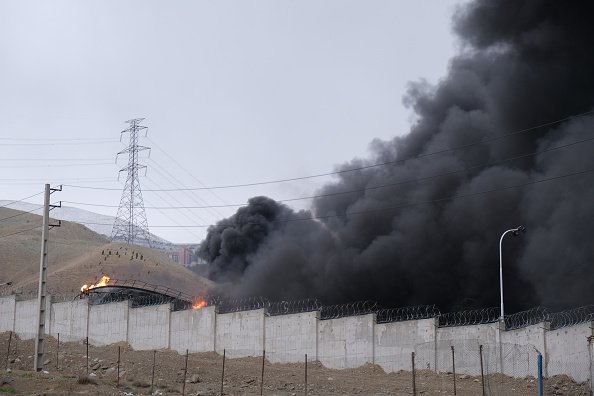
TEHRAN, IRAN - MARCH 8: Plumes of smoke rise over the oil depot tanks hit by joint Israel-U.S. over night in a station north west of the capital on March 8, 2026 in Tehran, Iran. The United States and Israel continued their joint attack on Iran that began on February 28. Iran retaliated by firing waves of missiles and drones at Israel, and targeting U.S. allies in the region. (Photo by Kaveh Kazemi/Getty Images)
The United States and Iran have received the framework of a plan to end hostilities, a day after President Donald Trump threatened to rain “hell” on Tehran if it did not make a deal, although Iran said it would not reopen the Strait of Hormuz as part of a temporary ceasefire.
The peace plan involves a two-tier approach with an immediate ceasefire followed by a comprehensive agreement. Pakistan’s army chief, Field Marshal Asim Munir, has been in contact “all night long” with U.S. Vice President JD Vance, special envoy Steve Witkoff and Iranian Foreign Minister Abbas Araqchi, a source aware of the proposals said on Monday.

Iran won’t reopen the Strait as part of a temporary ceasefire, a senior Iranian official told Reuters on Monday, adding that Iran won’t accept deadlines as it reviews the proposal.
Axios first reported on Sunday that the United States, Iran and regional mediators were discussing a potential 45-day ceasefire as part of a two-phase deal that could lead to a permanent end to the war, citing U.S., Israeli and regional sources.

In a post laden with expletives on his Truth Social platform on Sunday, Trump threatened further strikes on Iranian energy and transport infrastructure if Iran failed to make a deal and reopen the Strait by Tuesday.
Fresh aerial strikes were reported across the region on Monday, more than five weeks since the U.S. and Israel began pounding Iran in a war that has killed thousands and damaged economies by boosting oil prices.
Iran responded to the attacks by effectively closing the Hormuz waterway, a conduit for about a fifth of the world’s oil and natural gas supply, and attacking Israel, U.S. military bases and energy infrastructure around the Gulf.