
DGCA takes action over 19 safety violations against airlines in 2025 so far
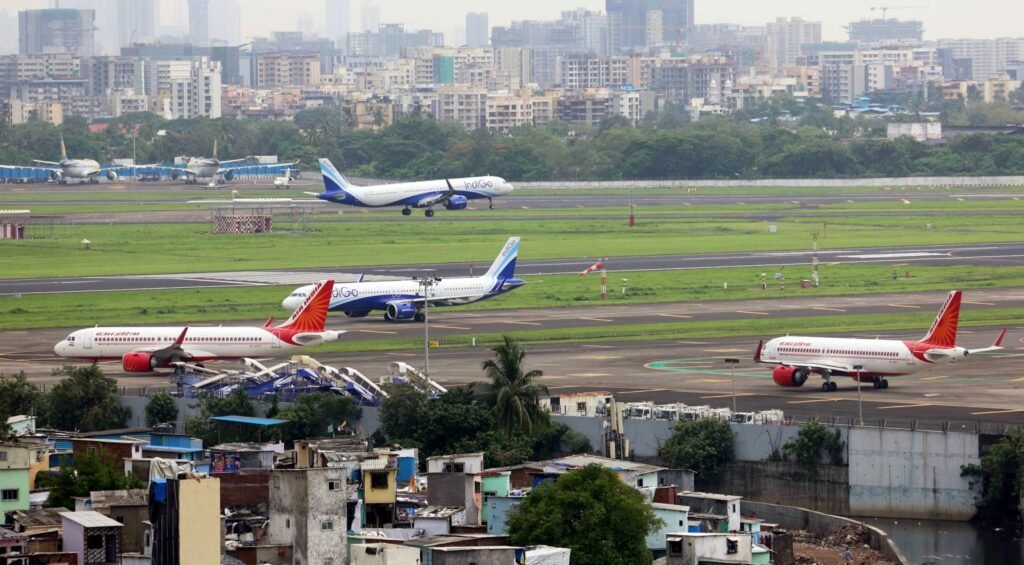
India’s aviation regulator has initiated action in 19 cases of safety-related violations by airlines in 2025 to date, Parliament was informed on Monday.
In a written reply to the Rajya Sabha, Minister of State for Civil Aviation Murlidhar Mohol shared detailed data on airline non-compliance, safety budgets, and staffing gaps across key aviation bodies. The information was provided in response to a question raised in the Lok Sabha.

Mohol said the Directorate General of Civil Aviation (DGCA) has intensified enforcement efforts over the past five years. The number of actions taken against scheduled airlines has steadily increased – from just two in 2021 to seven in 2022, ten in 2023, and twenty-two in 2024—before reaching nineteen so far this year.
The actions taken include financial penalties, suspension of approvals or authorisations, and issuance of official warnings.
The violations recorded by the DGCA span a wide range of safety lapses, including non-compliance with breath analyser norms for crew, failures in flight data monitoring, unauthorised cockpit access, and inadequate quality assurance audits.

Other infractions involved the use of flight simulators without DGCA authorisation, deploying crew without mandatory training, and violations of Flight Duty Time Limitations (FDTL). Maintenance-related deficiencies were also flagged, such as failure to adhere to proper procedures, issues detected during spot checks, and instances where aircraft were operated with expired emergency equipment.
The Minister said the government has been allocating dedicated funds to strengthen DGCA’s regulatory and safety oversight capabilities, with the year-wise budget details provided in an annexure to Parliament.
Mohol also highlighted the vacancy status across four major aviation organisations – the DGCA, Airports Authority of India (AAI), Bureau of Civil Aviation Security (BCAS), and the cadre of Air Traffic Controllers – detailing the sanctioned posts and current manpower gaps affecting safety and regulatory functions.