
Abdominal obesity poses greater health risk than overall obesity: Jitendra Singh
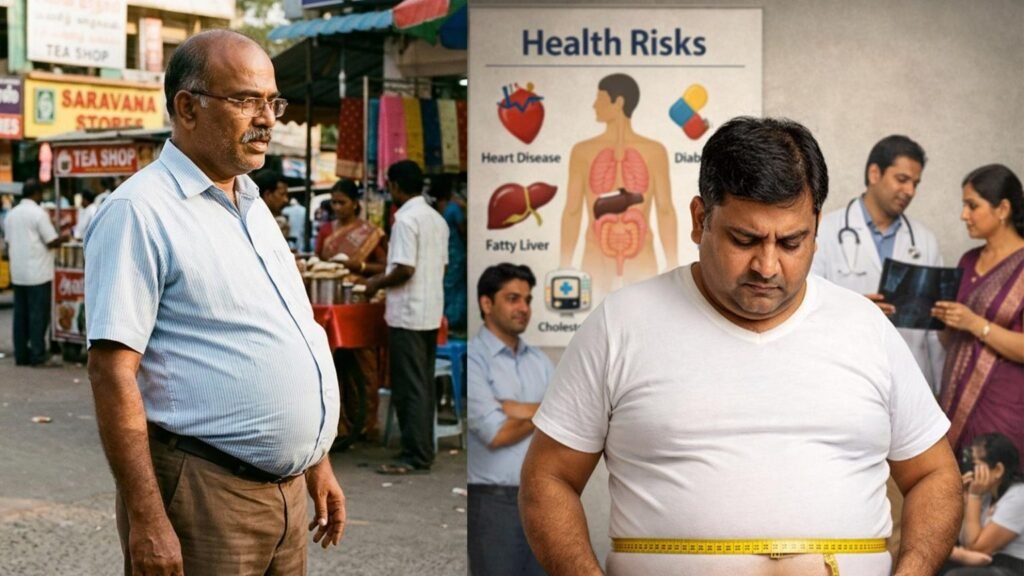
Union Minister Dr Jitendra Singh on Sunday cautioned that abdominal or central obesity is a more serious health risk than overall obesity, particularly among Indians, where even lean-looking individuals may carry high levels of harmful visceral fat.
Speaking at the release of a comprehensive cardiology textbook titled “Advances in Obesity and Lipid Management in CVD”, Singh said central obesity can independently lead to a wide range of metabolic disorders, including diabetes, hypertension, cardiovascular diseases, fatty liver, and dyslipidemia.

Highlighting the “distinct Indian phenotype,” he noted that while general obesity is rising, abdominal obesity remains disproportionately high and is a key determinant of cardiometabolic risk. He stressed that fat accumulation around the abdomen has significant clinical implications even in individuals who do not appear overweight.
The Minister linked the growing incidence of lifestyle diseases, including early-onset diabetes and heart conditions, to changing dietary habits, sedentary lifestyles, and reduced physical activity. He underscored the need for early detection, preventive care, and targeted interventions to address the issue.
Singh said the publication aligns with Prime Minister Narendra Modi’s call for increased awareness and lifestyle changes to tackle obesity, including reducing oil consumption and adopting healthier habits. He described obesity and related lipid disorders as major public health challenges contributing to rising cardiovascular morbidity and mortality.

The textbook, edited by noted cardiologist H. K. Chopra, compiles insights from over 300 experts and covers emerging therapies and advanced approaches in metabolic and lipid management. It includes developments such as GLP-1 receptor agonists, advanced lipid-lowering drugs, and AI-enabled clinical decision systems.
Singh also emphasised the importance of balanced and scientifically guided fitness practices, cautioning against extreme or unstructured approaches to exercise. He called for sustained lifestyle discipline, proper sleep, and preventive healthcare to address the growing burden of obesity.
With projections indicating a sharp rise in obesity levels in India by 2050, the Minister urged greater public awareness, early screening, and evidence-based treatment strategies to mitigate long-term health risks.