
Celebrating a medium that is a trusted voice for the people: PM Modi on World Radio Day
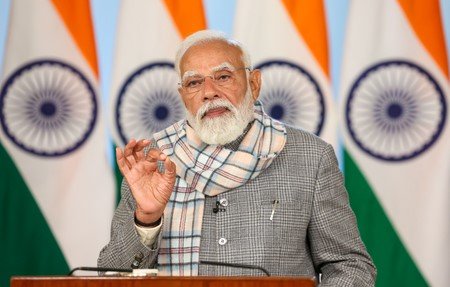
Prime Minister Narendra Modi on Friday highlighted the enduring relevance and transformative power of radio on the occasion of World Radio Day, describing it as a “trusted voice” that connects people across remote villages and bustling cities alike.
In a post on X, the Prime Minister wrote, “World Radio Day is about celebrating a medium that is a trusted voice for people, whether in remote villages or bustling cities. For years, radio has delivered timely information, amplified talent, and encouraged creativity. This is a day to acknowledge the efforts of all those associated with this medium.”

Referring to his monthly radio address, ‘Mann Ki Baat’, the Prime Minister noted how the programme has evolved into a unique platform for direct communication with citizens.
“Through #MannKiBaat, I have experienced firsthand the potential of radio in bringing out the societal strength of our people. This month’s programme will take place on Sunday, 22 February. Do share your inputs for the programme,” he added.

The Prime Minister’s remarks underscore the continued importance of radio as one of the most dynamic, responsive, and engaging mediums of communication.

Despite rapid technological advancements and the proliferation of digital platforms, radio has adapted seamlessly, offering new and interactive ways for audiences to participate and engage.
In India, All India Radio (AIR), the national public broadcaster and premier public service broadcaster, remains one of the largest broadcasting organisations in the world. In terms of the number of languages it broadcasts in and the socio-economic and cultural diversity it serves, AIR has a vast footprint. Its home service comprises over 400 stations across the country, reaching nearly 92 per cent of India’s geographical area and 99.19 per cent of the total population. The broadcaster produces programming in 23 languages and 146 dialects, reflecting the country’s rich linguistic diversity.
Radio continues to serve as a powerful and low-cost communication tool, particularly suited to reaching remote communities and vulnerable sections of society, including the illiterate, persons with disabilities, women, youth, and economically disadvantaged groups.
By offering a platform for public debate irrespective of educational background, radio strengthens democratic participation and social inclusion, reinforcing its status as a vital medium in contemporary India.
 ----------------------------------------------------------------------------------------------