
India–US trade deal historic, safeguards farmers’ interests: Shivraj Chouhan
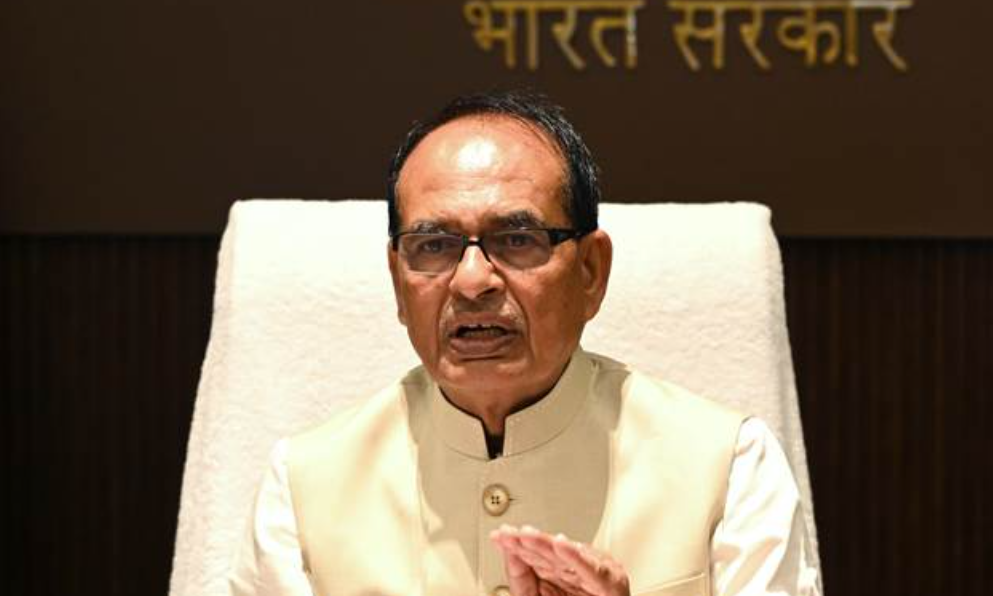
Union Minister of Agriculture and Farmers’ Welfare and Rural Development, Shivraj Singh Chouhan, on Sunday described the recently concluded India–US trade deal as “historic and unprecedented”, saying it would provide fresh momentum and new heights to the Indian economy while safeguarding the interests of Indian farmers.
Addressing a press conference at his residence in Bhopal, the Union Minister said the agreement was not merely a commercial arrangement but a reflection of India’s growing global stature and a symbol of diplomacy, development, and dignity.

“This deal sends a clear message to the world that India’s policy is based on commitment, not compromise. We take decisions with full confidence and always in the national interest,” Chouhan said, adding that India has emerged as a reliable and strong global partner through balanced strategy and positive dialogue.
Diplomacy, development and dignity

Explaining the broader significance of the agreement, Chouhan said the trade deal embodied diplomacy by putting the nation first, development by strengthening the foundation of a Viksit Bharat, and dignity by protecting the interests of Indian farmers.
He emphasised that all concerns related to agriculture and farmers had been addressed, ensuring complete security for the sector while opening new global opportunities for Indian agricultural products. The agreement, he said, would play a crucial role in increasing farmers’ incomes and strengthening the vision of an Atmanirbhar and Viksit Bharat.
Zero tariffs for Indian agricultural exports
The Union Minister said that several agricultural products of Indian farmers will now be exported to the United States with zero tariffs, while American agricultural products will not receive similar concessions in the Indian market. He stressed that India’s interests in agriculture and dairy remain fully protected.
Chouhan pointed out that the United States has made significant tariff reductions on a wide range of agricultural products. Tariffs that were earlier as high as 50 per cent on several items have now been reduced to zero. These include spices, tea, coffee, coconut, coconut oil, betel nut, cashew, vegetable wax, avocado, banana, guava, mango, kiwi, papaya, pineapple, mushrooms and certain grains.
He noted that India’s agricultural exports stood at USD 4.45 billion in 2024–25, with spice exports recording an 88 per cent increase. Following the trade deal, Indian spices are expected to gain access to a large and expanded market in the United States.
Chouhan further said that India already enjoys a strong position in the global spices market, exporting spices and spice products to nearly 200 destinations worldwide. The agreement, he said, will further accelerate exports of spices and other agricultural products.
Emphasising that there has been no compromise on the security of the Indian market, the Union Minister said that any foreign agricultural product entering India would continue to attract tariffs. “Our farmers have complete freedom and full protection. This is the greatest strength of this trade deal,” he said.

Sensitive items excluded, farmers protected
Chouhan said no tariff concessions had been granted on sensitive items, including soybean, corn, rice, wheat, sugar, coarse grains, oilseeds, pulses such as chickpeas, mung beans and green peas, poultry, dairy products, bananas, strawberries, cherries, citrus fruits, ethanol and tobacco.
He further said that hulled grains, flour, wheat, corn, rice, millets, potatoes, onions, peas, beans, cucumbers, mushrooms, pulses, frozen vegetables, oranges, grapes, lemons, strawberries and mixed canned vegetables would not be allowed entry into the Indian market.
On dairy products, he said liquid milk, milk powder, cream, yoghurt, buttermilk, butter, ghee, butter oil, paneer and cheese would not be imported.
In addition, India will not import spices and spice products from the US, including black pepper, cloves, dry green chillies, cinnamon, coriander, cumin, asafoetida, ginger, turmeric, carom seeds, fenugreek, cassia, mustard, mustard seeds, husks and other powdered spices.
Opportunities for farmers, women and youth
The Agriculture Minster said the agreement would create new opportunities for farmers, women and youth across multiple sectors. Reduced tariffs in sectors such as textiles would boost exports and directly benefit cotton farmers, while sectors like gems and jewellery, auto components, engineering goods and MSMEs would also gain.
He added that self-help groups, particularly women-led groups, would benefit significantly as their products gain global recognition.
Chouhan noted that under Prime Minister Narendra Modi’s leadership, India has completed nine free trade agreements so far and signed FTAs with 27 countries, with negotiations ongoing with several others.
“These agreements will benefit farmers, workers, exporters, manufacturers and the poor, and help realise the vision of a developed India by 2047,” he said, calling the India–US trade deal a milestone in building an Atmanirbhar and Viksit Bharat.
 ----------------------------------------------------------------------------------------------