

Pahalgam Terror attack turns tourism haven tense
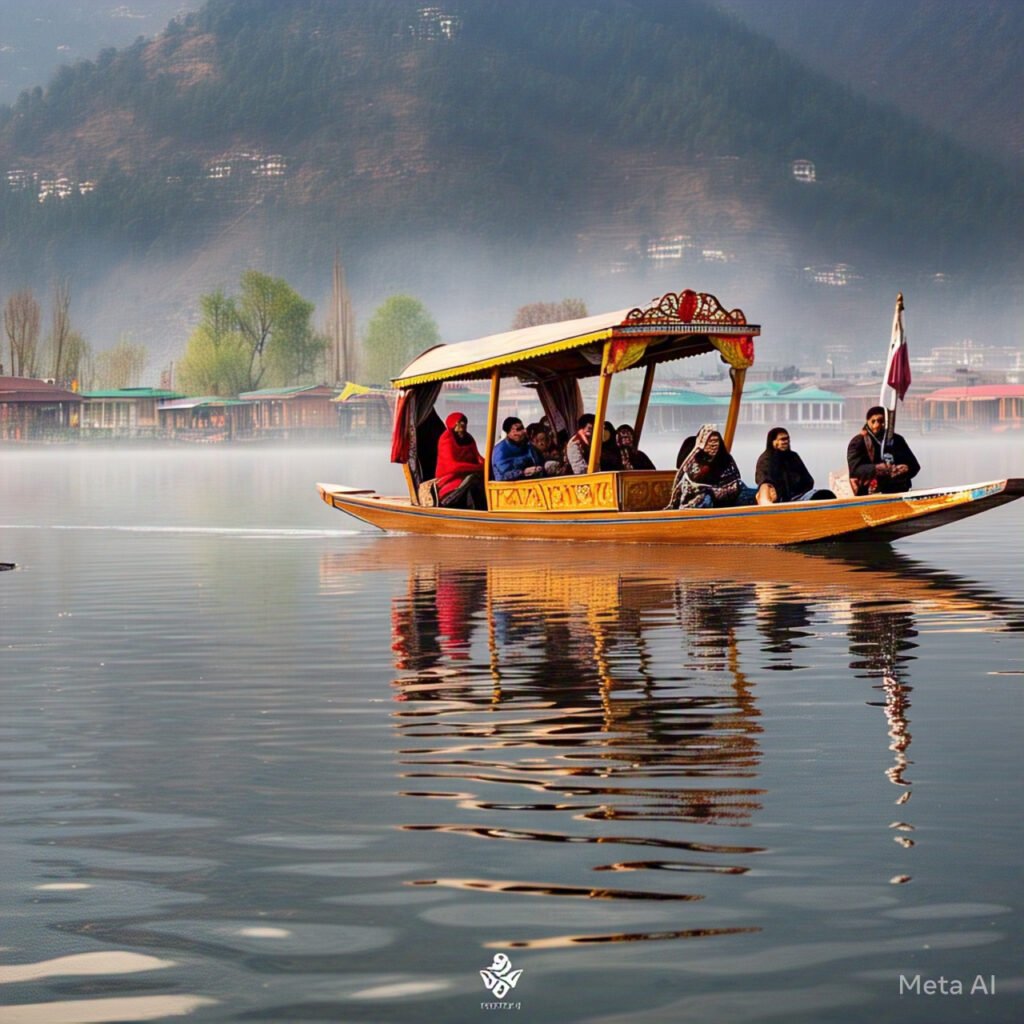
A recent terror attack in Pahalgam, a popular tourist destination in Jammu and Kashmir’s Anantnag district, has sent shockwaves through the valley’s fragile tourism industry. The attack, which targeted a group of tourists, has raised concerns about the safety and security of visitors in the region.
The Pahalgam terror attack has dealt a significant blow to local businesses that rely heavily on tourism. Hotel owners, shopkeepers, and tour operators have reported a sharp decline in bookings and cancellations, resulting in significant economic losses. “We’ve lost thousands of rupees due to cancellations and a decline in bookings,” said a hotel owner in Pahalgam. “Tourism is our lifeline, and any disruption to it affects our livelihoods.”

A Threat to the Valley’s Economy
The tourism industry is a significant contributor to Jammu and Kashmir’s economy, generating employment and revenue for the local population. However, the Pahalgam terror attack has raised concerns about the long-term impact on the valley’s economy. “The terror attack in Pahalgam is a setback to the tourism industry, which was slowly recovering after the abrogation of Article 370,” said a tourism expert. “It will take time for tourists to regain confidence and return to the valley.”

Security Measures Under Scrutiny
The Pahalgam terror attack has also raised questions about the effectiveness of security measures in the region. While security forces have been deployed to ensure the safety of tourists, the attack has highlighted the need for more robust security protocols. “The security forces are doing their best to ensure the safety of tourists, but more needs to be done to prevent such incidents,” said a security expert.
A Call for Peace and Normalcy
The Pahalgam terror attack has underscored the need for peace and normalcy in the valley. The tourism industry, which has been a victim of terrorism, needs a conducive environment to flourish. “We appeal to the tourists to come and visit the valley, which is safe and secure,” said a local administration official. “We are working tirelessly to ensure the safety and security of visitors.”
As the valley struggles to recover from the Pahalgam terror attack, one thing is clear: peace and normalcy are essential for the tourism industry to thrive. The local population, businesses, and security forces must work together to create a safe and secure environment for tourists to visit and enjoy the valley’s natural beauty. Terrorist attacks have severely impacted Kashmir’s tourism business, transforming a once-thriving industry into a mere shadow of its former self. Known as “The Paradise on Earth,” Kashmir’s natural beauty, cultural heritage, and strategic location used to attract tourists from time immemorial. However, the onset of terrorism in the early 1990s disrupted peace and led to a significant loss of tourism revenue, creating an economic vacuum in the Valley.
Impact on Tourist Arrivals
– In 1988, tourist arrivals were at an all-time high with 0.72 million visitors.
– By 1991, this number drastically dropped to just 6,287 tourists annually.
– From 1989 to 2002, Kashmir lost around 27 million tourists, resulting in a tourism revenue loss of $3.6 billion.

Consequences for Local Businesses
– The hotel, guest house, and houseboat industries suffered major economic losses, with nearly 1,094 houseboats in Dal Lake, Nigeen Lake, and River Jhelum being rendered idle.
– The handicraft industry, providing employment to over 300,000 people, witnessed a significant decline in production of art work like paper mache items, wooden art-ware, and Kashmiri rugs.
– Employability in the tourism sector remains volatile, with any terror attack resulting in loss of business for the tourism industry and impacting related sectors like handicrafts and carpet industry.
Reasons Behind the Decline
– Constant fear of death and continued unrest led to a loss of tourist appetite for Kashmir as a destination.
– Negative travel advisories issued by foreign nations after headline-grabbing incidents, such as the kidnapping and beheading of foreign tourists in 1995, further deterred visitors.
– The presence of security forces, while intended to provide safety, can also be a deterrent for tourists due to the perceived risk and infrastructure development associated with security measures.
Impact on Local Population
– Daily wagers, street vendors, passenger bus drivers, conductors, and fruit sellers are among the worst affected by strikes and shutdowns enforced by separatist groups.
– The curfew imposed in 2016, following the killing of a militant commander, Burhan Wani, lasted for six months and caused significant economic hardship for locals.
– The local economy has been decaying due to prolonged strikes and shutdowns, which have lost their relevance nationally and internationally.
Environmental Impact
– The conflict has also had a devastating impact on Kashmir’s ecology, including deforestation, soil erosion, and pollution of water bodies like Dal Lake and Wular Lake.
– The dumping of non-biodegradable waste, including plastic and metal, has become a significant environmental concern, particularly in areas like the Siachen Glacier.
Overall, the impact of terrorist attacks on Kashmir’s tourism business has been profound and far-reaching, affecting not only the local economy but also the environment and the livelihoods of thousands of people dependent on the tourism industry.
 ----------------------------------------------------------------------------------------------